July 7, 2026
Understanding plumbing repair is indispensable for homeowners not just to maintain the home's structural integrity but also to ensure safety and comfort. Learning to manage minor plumbing issues can significantly reduce expenses and prevent potential water damage, which can rapidly escalate into costly repairs. Every year, countless homeowners face plumbing challenges that could have been mitigated or completely avoided with a basic understanding of their plumbing system. This knowledge is not merely about financial prudence but is a crucial step towards sustainable home maintenance. Educating oneself about plumbing can also help homeowners make informed decisions about when to engage professional services, thus further optimizing their home's maintenance process.
Every home relies on a sophisticated network of pipes, channels, and fixtures to manage water flow, sanitation, and waste. At a fundamental level, household plumbing involves the water supply system, which brings water into the house, and the drainage system, which removes wastewater. These systems are intertwined with various appliances and fixtures, requiring ongoing maintenance to ensure proficiency. Homeowners must understand the critical junctions where these systems interact, such as kitchens, bathrooms, and laundry areas, to efficiently troubleshoot and maintain these networks. A strong grasp of your plumbing layout not only aids in identifying problems swiftly but also empowers you to perform basic repairs yourself.
Identifying Core System Components
Pipes, fixtures, and valves represent the core components of any plumbing system. Pipes transport water to and from various outlets, while fixtures like faucets, showers, and toilets facilitate the use of water within the home. Valves play a pivotal role in controlling the flow and pressure of water, thereby preventing leaks and ensuring smooth operation. Familiarity with these components enables homeowners to undertake preliminary diagnostic efforts when issues emerge. Identifying where and how these elements connect within the system is essential for both effective DIY troubleshooting and communication with professionals who specialize in plumbing repair.
Water supply systems in a home typically start from a main water line connected to a municipal supply or a private well. From there, water travels through a network of pipes divided into hot and cold supplies controlled with stop valves. The drainage system operates on gravity, where waste and greywater move downwards through larger-diameter pipes to septic systems or municipal sewers. Vent pipes ensure efficient drainage by equalizing pressure, thereby helping water to flow conveniently and preventing sewer gases from entering the home. Understanding this cycle is crucial for diagnosing issues like low water pressure or slow drainage, which might stem from blockages or leaks in this intricate network.
Navigating Common Industry Terminology
Basic plumbing terminology assists homeowners in navigating instructions, guides, and communications with technicians. Terms such as "main line" refer to the primary supply line bringing fresh water into the home. Fixtures are the end-point devices like sinks and faucets, while terms like "P-trap" refer to the curved section of a drainpipe crucial for blocking sewer gases. Being conversant with these common terms helps in following troubleshooting guides and ensures clarity when describing issues to a technician. According to Jobber, the residential plumbing market experienced an expansion of roughly three and one-third percent recently, proving that grasping this vocabulary becomes increasingly beneficial for consumer awareness.
Plumbing diagrams are schematic designs that represent the entirety of water systems within a home. These diagrams showcase both water supply lines and drainage systems, often using different colors or line styles to denote hot and cold water. Symbols within these diagrams represent elements such as sinks, bathtubs, and toilets, providing a visual representation of the home's plumbing layout. For homeowners, the ability to interpret these diagrams aids in locating specific pipes or systems when plumbing issues occur. Familiarity with these layouts prevents unnecessary demolitions or modifications, thereby streamlining maintenance and repair efforts.
Gathering Essential Diagnostic Tools
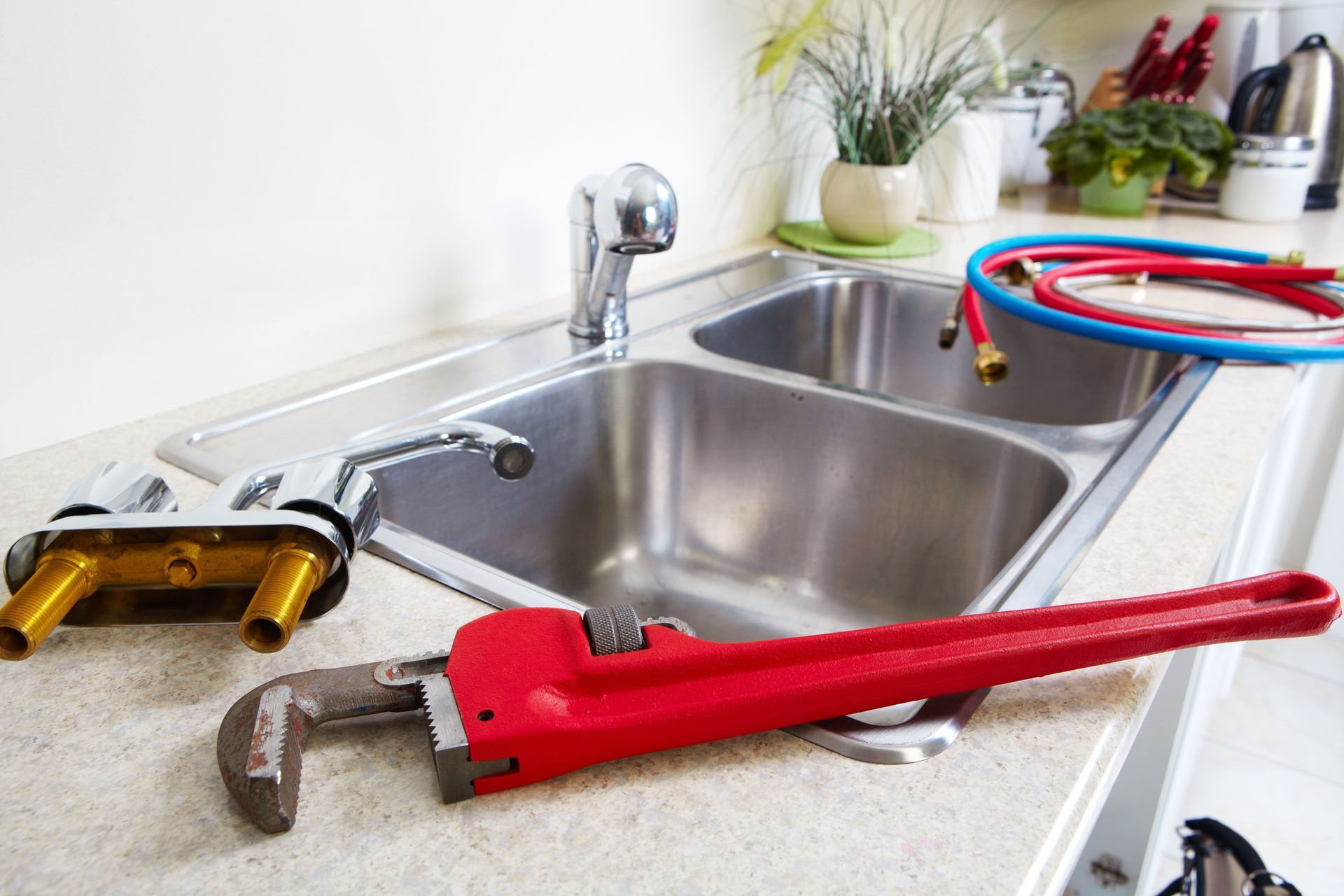
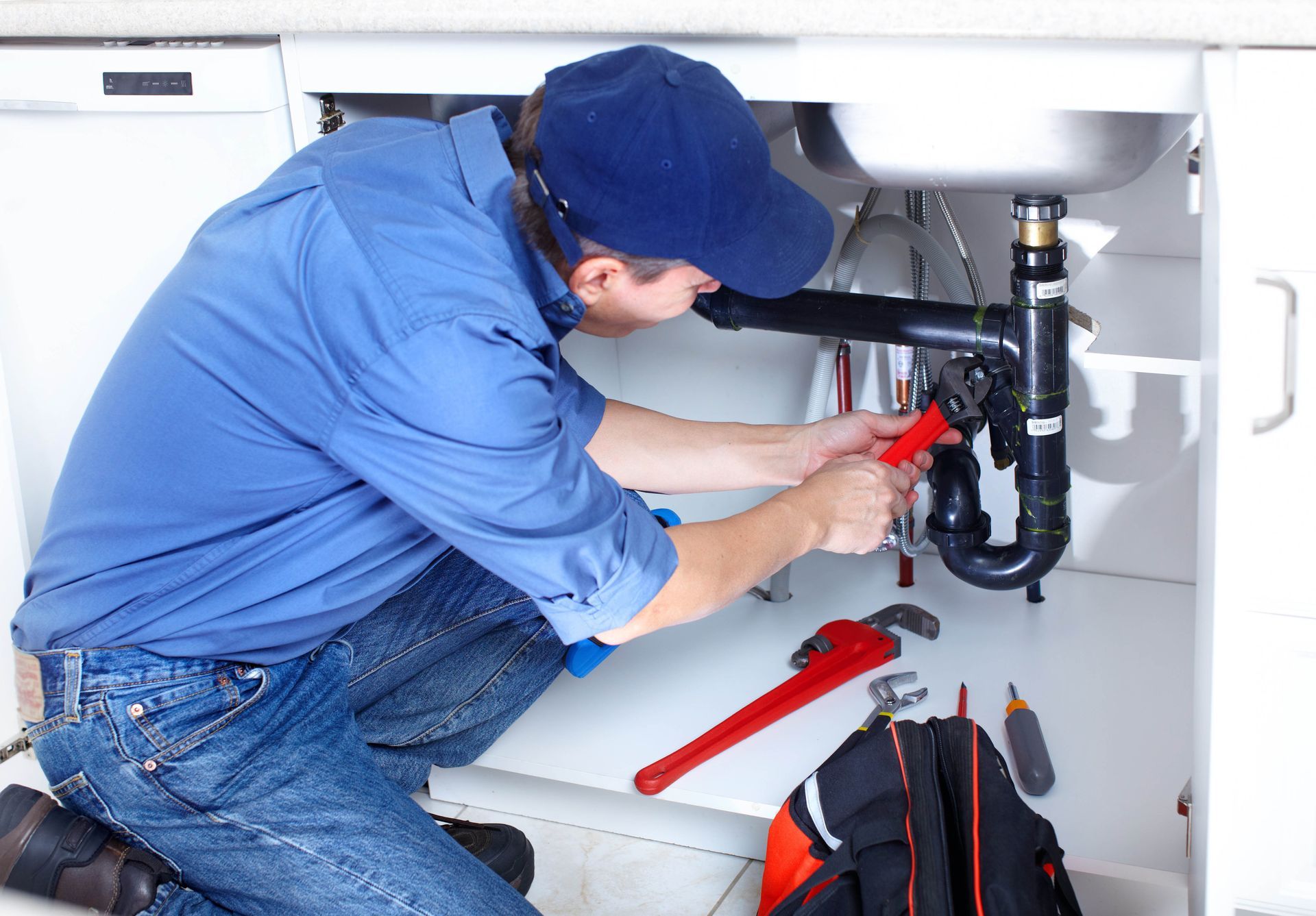
A well-prepared homeowner should equip themselves with essential tools to tackle minor plumbing repair jobs effectively. Key items include a plunger, pipe wrench, plumber's tape, and an adjustable wrench. Plumbers' snakes are invaluable for unblocking tough drains, while a bucket and set of assorted screwdrivers can facilitate most basic repairs. Owning these tools minimizes the need for emergency professional interventions, saving time and costs in managing leaks or other common issues. An initial investment in quality tools equips homeowners for fast action in plumbing emergencies, fostering self-reliance and swift problem resolution.
When undertaking plumbing repairs, safety should be a top priority to prevent accidents and ensure smooth repairs. Safety goggles protect eyes from debris and hazardous chemicals, while durable gloves safeguard hands against cuts and exposure to harmful substances. A first-aid kit stands ready to handle minor injuries, and protective clothing such as long-sleeved shirts prevents skin contact with irritants. It is imperative that these safety measures be employed faithfully, especially in situations involving hazardous materials or complex repairs. Prioritizing safety not only prevents injury but also fosters a disciplined approach to home maintenance.
Managing Everyday Household Clogs
A leaky faucet is not only annoying but can significantly increase water bills if left unattended. Common causes include worn-out washers, damaged valve seats, or a combination of the two. Replacing parts such as washers and O-rings often resolves the issue swiftly and can be achieved with minimal tools. For more extensive plumbing repair needs, like a deteriorated valve seat, homeowners might require specialized tools or help. Taking prompt action when leaks appear prevents further damage and maintains efficient water usage within the home.
Clogged drains are a frequent bane encountered in bathrooms and kitchens alike, usually resulting from accumulated debris or grease. Preventive measures like using drain catchers and avoiding rinsing oils down sinks can deter clogs effectively. For existing clogs, methods range from homemade solutions like vinegar and baking soda to mechanical interventions using plumber's snakes. Recognizing the severity of a clog is essential; persistent blockages may suggest underlying issues that warrant professional inspection. By maintaining a preventive stance, homeowners can significantly reduce headaches and sustain free-flowing drainage.
Troubleshooting Broken Water Fixtures
A running toilet is often triggered by a faulty flapper valve, incorrect float levels, or fill valve issues. Homeowners can first attempt to diagnose the cause by observing the tank's interior when flushing, looking for obstructions or misalignments. Many issues can be resolved using an adjustable wrench to modify float levels and replace malfunctioning parts with DIY kits. Failure to resolve the issue may call for professional intervention to prevent water wastage and potential damage. Adjusting a running toilet quickly ensures efficient water use, aligning with conservation efforts and keeping utility costs in check.
Low water pressure can adversely impact household chores and the overall efficiency of water usage. Diagnosing the problem involves checking for leaks in the system, sediment build-up in pipes, or malfunctioning pressure regulators. Simple plumbing repair fixes, such as replacing regulators or descaling aerators, often suffice to restore pressure levels. If the problem encompasses the entire household, it could stem from municipal supply issues, requiring coordination with local services. Immediate attention to pressure fluctuations prevents potential complications like pipe bursts and enhances water-using appliances' functionality.
Implementing effective water conservation techniques benefits both the environment and household finances. Low-flow fixtures, such as faucets and showerheads, reduce water usage without sacrificing functionality and comfort. Regularly monitoring water bills for unexpected spikes can prompt investigations and mitigate unnoticed leaks. Using a rain barrel for lawn care and opting for drought-resistant plants are additional ways to curtail water use. These strategies align household operations with broader sustainability goals.
Water quality testing is crucial for ensuring safe and healthy water usage within the home environment. Regular analysis identifies harmful contaminants or disproportionate mineral content that can adversely affect both health and infrastructure. Testing should align with recommended schedules, especially in homes sourcing water from private wells. For those on municipal supply, quality checks can still identify any infiltration or infrastructure failures. Maintaining superior water quality safeguards personal health, protects appliances, and preserves valuable systems, providing a solid foundation for any necessary plumbing repair work by Putnam Plumbing & Heating Inc.