September 11, 2026
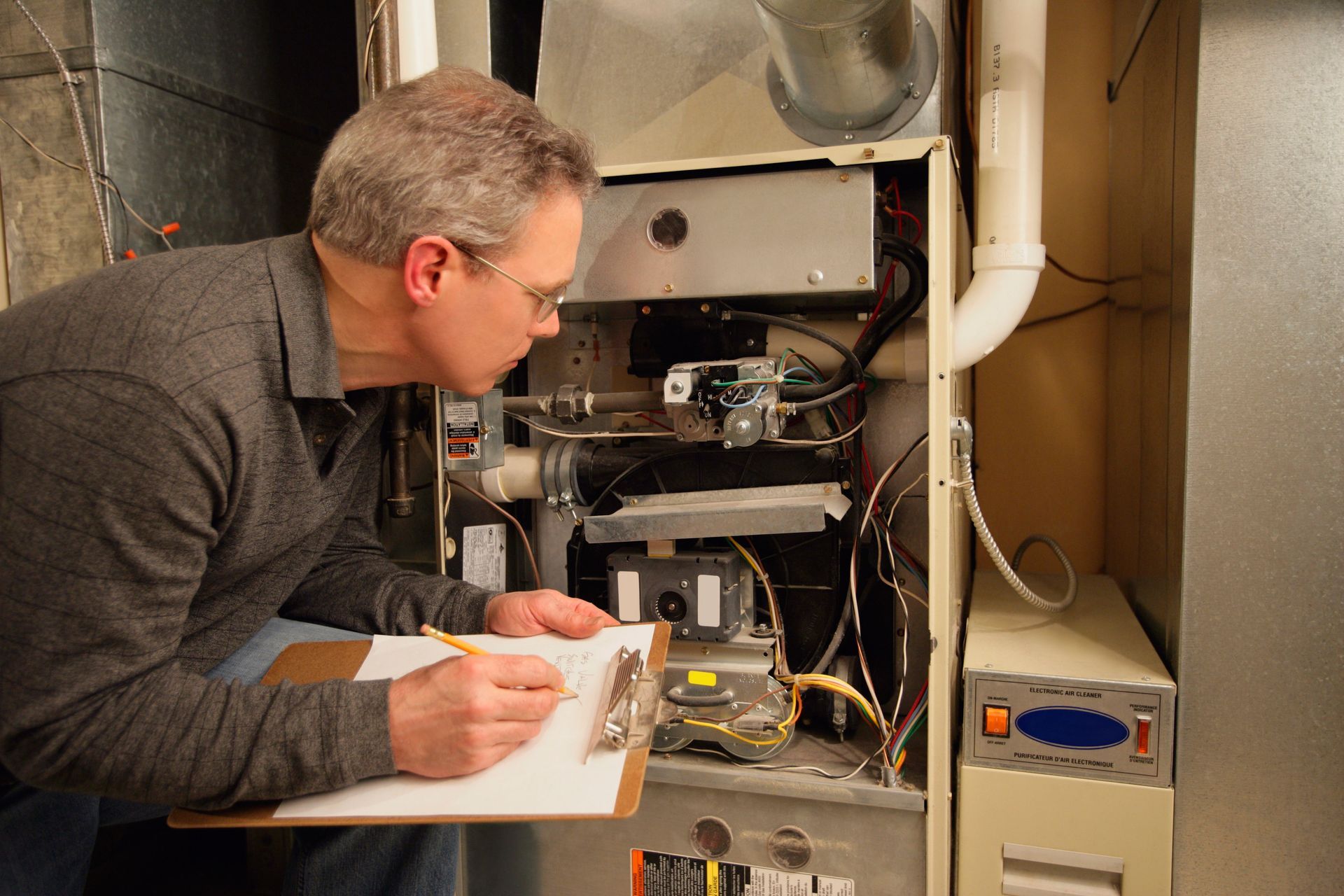
Maintaining the operational efficiency of a furnace is crucial for homeowners, especially in regions with harsh winters. However, when these furnaces are located in hard-to-reach areas, repairs and maintenance become significantly more complicated. Let's take a moment to explore the various ways inaccessible spaces impact the cost, efficiency, and safety of furnace repairs, shedding light on the need for innovative solutions in the field.
Increased Labor Costs
One of the primary effects of hard-to-reach furnace locations is the substantial increase in labor costs associated with repairs and maintenance. According to HomeGuide, difficult installation sites like cramped crawlspaces and poorly accessed attics demand specialized techniques that can raise costs by 25% to 50%. Each complication encountered can extend the duration of the repair process, as accessing critical components becomes time-consuming.
Field technicians require extra manpower or assistance to manage equipment and tools effectively in restricted areas. In scenarios with severe access limitations, it might necessitate two or more technicians working collaboratively to complete tasks safely and effectively. This additional labor often drives repair costs significantly higher than otherwise anticipated.
The complexity of navigating tight environments puts more demand on professional skills and experience, pushing up associated costs. Overall, longer working times coupled with specialized skills push labor costs upward, presenting homeowners with increasingly inflated repair bills. Without the ability to streamline jobs efficiently, costs inherently rise reflecting the tight, labor-intensive environment technicians face.
Additional Equipment Requirements
Furnaces located in hard-to-access areas may also require the use of specialized equipment, which contributes further to overall repair expenses. Standard tools are often insufficient when space is limited, necessitating customized or compact alternatives that can operate in non-standard conditions. Using or purchasing additional gear is an investment that inevitably influences service pricing or labor charges.
In many circumstances, bespoke apparatuses such as scope cameras, inspection mirrors, or flexible reach tools enable mechanics to perform detailed examinations and furnace repairs in tight corners. Such gear not only aids work efficiency but prevents potential damages that could arise from forced entry into delicate or restricted furnace components. This extra precaution, while increasing costs, provides valuable safeguards against unnecessary damage during maintenance operations.
There are also associated costs with renting or buying enhanced equipment for particular jobs, likely reflected in consumers' final bills. Furthermore, most compact technical tools carry higher price tags due to their specificity and sophisticated design. When routinely employed by servicing companies, this adds intangible value by ensuring comprehensive diagnostics, yet heightens the cost burden on clients.
Potential for Additional Damages
Repair tasks performed in confined and difficult locations carry an inherent risk of causing additional unintentional damages. Due to limited space, technicians might inadvertently disturb components or inadvertently damage surrounding structures while trying to achieve access. The delicate balance required in tight quarters increases the likelihood of mishaps escalating repair tasks.
Attempting furnace repairs without adequate room to operate can jeopardize the furnace and nearby elements. Accidental knocks or pressure on plumbing and electrical conduits can lead to leaks or shorts requiring further attention. Hence, increased vigilance is required in situations constrained by tight workability, potentially absorbing technicians' attention away from initial job intents.
As such, costs can accrue from necessary follow-up visitation to rectify damage or disturbances inadvertently caused during primary repairs. Consumer perceptions are negatively affected if secondary issues arise quickly after routine service efforts. Building customer trust requires overcoming both primary and uncompensated incidents stemming from accessibility problems.
Difficulty in Diagnosing Problems
Conducting precise problem diagnostics on furnaces located in inaccessible areas is another hurdle that undermines repair efficiency. Restricted access impacts technicians' ability to conduct comprehensive evaluations, hindering their capacity to fully understand underlying issues. When complete physical reviews are not possible, inaccuracies in determining exact fault locations can jeopardize targeted interventions.
Limited clutches clutter the workspace and inhibit moves necessary to closely examine problematic sections. Slender passages create visibility obstructions that confound accurate intakes, discouraging cause-and-effect recognition. Talented technicians must rely more on intuition and expertise than straightforward visibility, creating scenarios subject to uncertainties and misdiagnosis.
In these circumstances, fruitful inspections rely heavily upon advanced diagnostic instruments designed to supplement observational gaps. Inclusion of multi-functional devices assisting with audio and thermal scrutiny parallels diagnostic limitations when invasive maneuvering proves prohibitive. Yet, expertise in maximizing tool use during challenging appraisals aids in rectifying confusion, minimizing potential errors without undermining problem identification.
Complexity of Repair Procedures
The intricate nature of undertaking repair procedures within constrained quarters emerges as a hallmark obstacle to efficiency, greatly challenging technical fluency. Simply accessing pertinent areas within the furnace could require an exhaustive reconfiguration of surrounding utilities or supporting infrastructure. Each step introduces fresh opportunities for alteration beyond basic repairs, introducing complexities onto single-stage guides.
Given the nuance inherent in crafting sustained solutions under compromised accessibility, additional thought precipitates each successive maneuver. This complexity burdens contractors, inevitably demanding the combination of increased attentiveness and collaborative collaboration. The adjusted need for cumulative adjustment diminishes projects turned seamlessly by seasoned professionals into a reasonable timespan.
Efficiency wanes amidst compounded reasoning, encompassing design tracking, physical inspection, and contemplating adaptive repairs. Temporary relief applied to mask conditions while maintaining perceptible advancement leads ultimately to more extensive reparations. Jobs participants perceive initially simple devolve into multi-layered phases requiring horizontal, collective strategizing.
Necessity for Specialized Knowledge
Due to compounded physical attributes limiting service tech capacity and functionality, excelling in diagnosis segments requires undisputed expertise. The circumstance-specific nature of harnessing cogent solutions demands precisely framed intellect for prompt strategic solution matching delicate needs. Furnaces susceptible to blockades induce experimental diagnosis informed by engineering acumen.
Successively restoring function when faced with systematic panic of accessible compliance depends on a refined skillset. Failure to encompass knowledgeable flexibility discourages optimum recalibration necessary for addressing confined sections. Enthusiasm diluted by challenging variables underscores reliance on determining differences between routes of upgrading system performance and critical system flaws.
Proficiency in applying prior learned lessons during unexpected tribulations within tense operations determines broader scalability success. Acute reactions to spatial adversity manifest company confidence, accentuating personal intuition sculpted in experiences and diverse training sessions. As workforce attrition looms beneath concentrated demand, prompted workforce mastery reduces lapses maintaining challenging operations.
Impact on Repair Quality
Ultimately, there is an undeniable influence of hard-to-access areas on the repair quality, where unfavorable spatial arrangements demand trade-offs in precision. Limited workspace complicates component reassembly, inducing susceptibility to improper fittings, misalignments, and additional imperfections. Even the most thorough attention to granularity is hindered by spatial constrictions manifesting nuanced deviations upon delicate equipment assemblies.
Recurring throughout treatments performed within restricted confinements, a pronounced inclination towards repeat interventions emerges as procedural misalignments remain compounded. This trend indicates recall-worthy performances within system enhancement where difficult placements result in deviant outcomes, fostering return callouts and reinforced technical adaptations. Reflective upon business-critical third-party assurances promoting consistency, notably conflicting segments require unwavering resolve to restore equilibrium.
The harrowing incongruities associated with corrective interventions manifest insidiously within diagnostic phases, exasperating attempts at comprehensive furnace repairs. Applying prolonged precision technique imperative at redefining constraining attributes seamlessly necessitates dedication towards sustaining wholeness despite environmental adversaries. Elevated expertise developing conditionally represents durable evidence cementing mission success within systemic constraints.
The hidden costs and technical hurdles of servicing hard-to-reach furnaces extend far beyond simple inconvenience. Restricted access consistently drives up labor expenses, lengthens repair timelines, and heightens the risk of secondary damage, all while placing an exceptional demand on a technician's expertise and diagnostic precision. To learn more, reach out to the experts in furnace repairs at Putnam Plumbing & Heating Inc!