November 12, 2026
This article explores strategies for identifying and fixing common household leaks. Effective plumbing repair saves on water bills, prevents potential water damage, and prolongs domestic system lifespans. While minor drips might seem harmless, they can quickly escalate into significant problems that require extensive work and financial investment. Recognizing the early warning signs of water intrusion empowers individuals to act swiftly. By equipping yourself with knowledge about where these leaks happen, you can smoothly transition into actionable steps for identifying and resolving each specific issue.
Addressing Faucet Leaks to Save Water
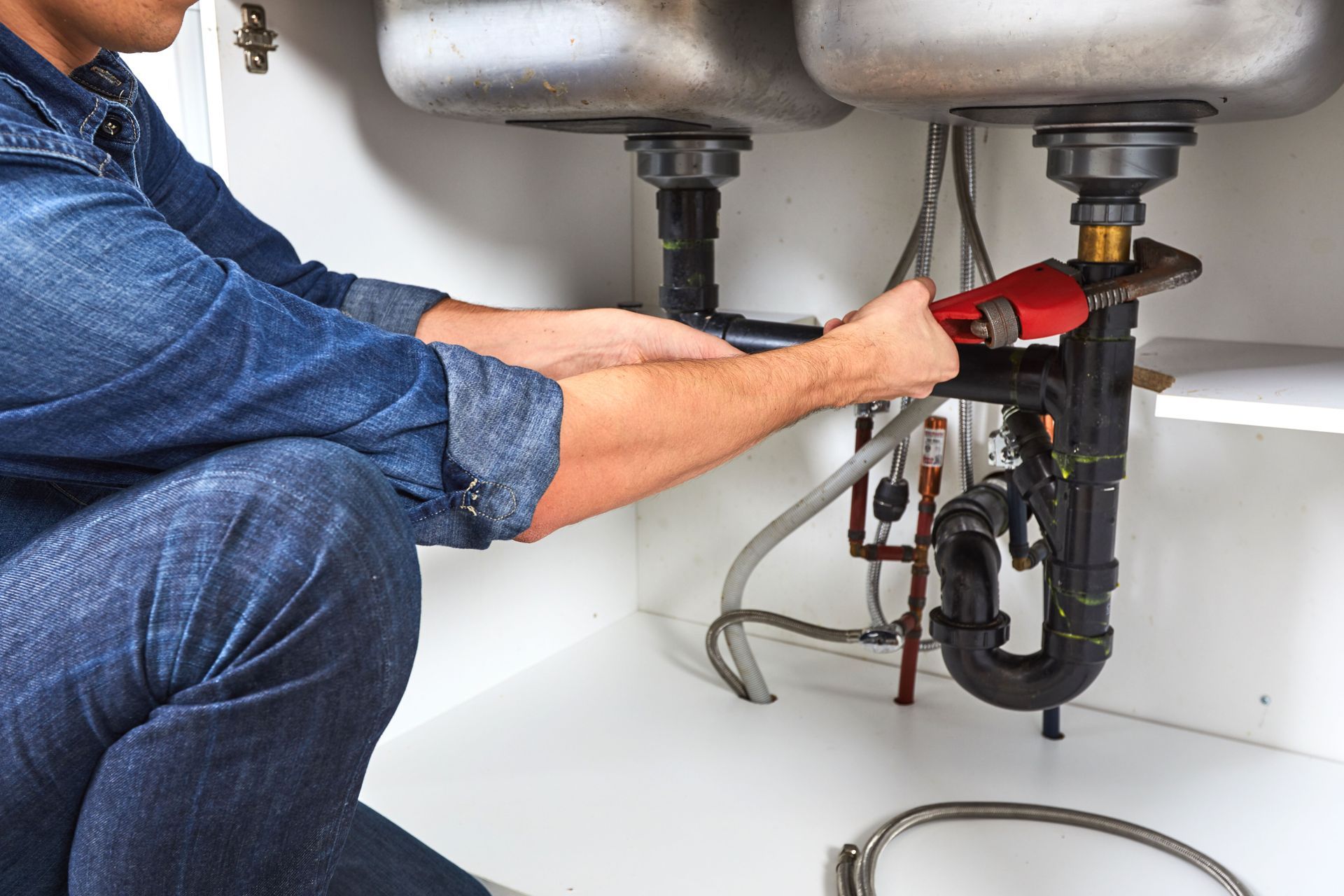
Faucet leaks are frequent issues in modern households. These occur due to worn-out washers, O-rings, or gaskets leading to persistent dripping. Dripping faucets waste substantial water and unnecessarily add to your utility bill. Addressing faucet leaks promptly ensures conservation of water, reduces utility bills, and prevents potential water damage to surrounding areas. Often, these drips require simple kitchen plumbing interventions. According to This Old House, a typical residence wastes approximately 10,000 gallons of water annually due to unresolved leaks. Catching these minor drips early is crucial for environmental and financial health.
Fixing Dripping Spouts and Handles
Most faucet leaks occur due to constant use over time, which leads to the wear and tear of small components. A detailed observation determines whether the leak originates from the spout, handle, or connections beneath the sink. Dismantling the fixture to inspect and replace damaged parts is often necessary for proper plumbing repair. The procedure usually involves shutting off water to the unit, disassembling it, and replacing worn components with new ones. Making a habit of conducting regular checks on faucets will help detect any leaks early and remediate the problem before it becomes severe.
Identifying Hidden Toilet Leaks
Toilet leaks often go unnoticed because they lack the visibility of faucet drips. One common type of toilet leak involves the continuous running of water, which stems from issues within the tank mechanism. Faulty flapper valves, misaligned float caps, or broken fill tubes are typical culprits. It is reported that toilet leaks can waste about 200 gallons of water per day, directly impacting the monthly bill. Furthermore, these leaks contribute significantly to overall household water waste – reaching tens of thousands of gallons lost annually. Fixing them requires minimal effort but yields massive savings.
Testing for Silent Tank Issues to Be Safe
Identifying hidden toilet leaks requires simple home tests, such as adding food coloring into the tank and observing whether it seeps into the bowl without flushing. Detecting the color in the bowl signals a leak that needs immediate attention. A faulty flapper is the most common cause, which can often be replaced easily. Crooked flapper chains can prevent correct sealing, necessitating immediate adjustment. Routine inspection of these mechanisms can prevent toilet leaks from escalating into bigger, more expensive issues requiring extensive bathroom plumbing renovations or part replacements.
Inspecting Shower and Bathtub Leaks
Shower and bathtub leaks are common issues that occasionally require intricate inspection to identify. These leaks can occur due to problems with the showerhead, tub spout, or the grout and caulking that seal the tub or tiles. Over time, wear and tear or improper installation can lead to cracks, allowing water to seep through and accumulate behind walls or under flooring. Such situations can eventually cause structural damage or mold growth if left unaddressed. Proactively inspecting these areas reduces risks associated with hidden leaks and preserves your home's integrity.
Checking Grout and Caulking Regularly
Frequent inspection of grout and caulking identifies cracks or mold presence early. Re-caulking is a simple yet effective way to seal minor gaps and prevent water leaks. In many cases, showerhead leaks are attributed to loose connections or worn-out washers, which can be resolved by securing fittings or replacing faulty components. Homeowners should watch for degraded grout lines and resolve them using waterproof sealants. Regularly cleaning and maintaining the shower area helps extend the life of the tub and shower installations, eliminating the need for constant plumbing repair.
Recognizing When Water Heater Maintenance Is Required
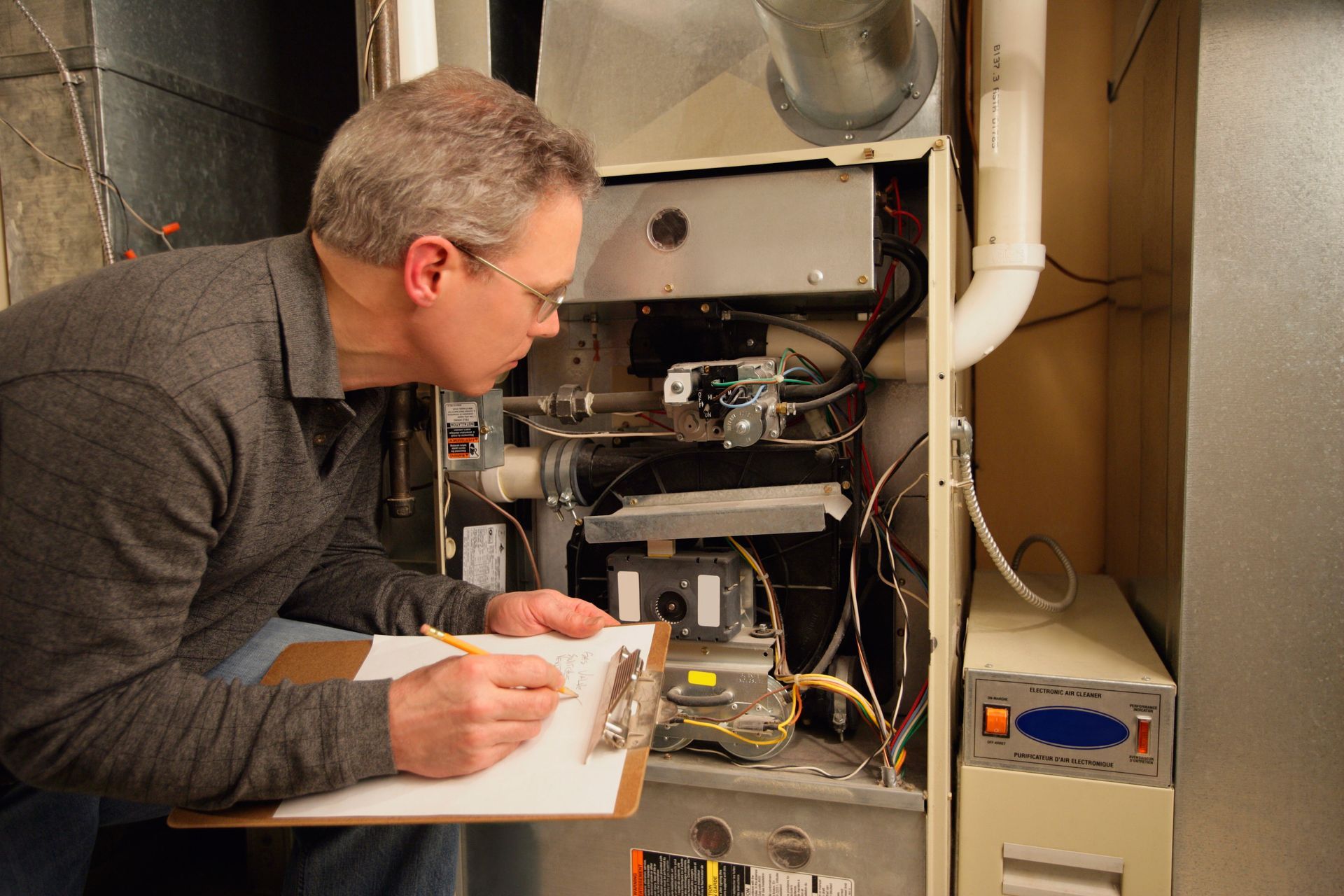
Water heater leaks signify potential malfunctions within one of the most crucial home appliances. These types of leaks typically originate from heating tanks, either due to excessive pressure, corrosion, or faulty valves. Water pooling around the heater base or inconsistent heating might point to a deeper problem. Regular inspection of water heaters is crucial since ignoring early leak signs can lead to catastrophic failures. Addressing minor leaks proactively prevents costly replacements and extensive water damage. If you notice severe problems, seeking professional heating repairs is highly recommended to restore safety.
Flushing the Water Heater Annually
Periodic checks for rust, leaks around pipe connections, and the heating element can help catch early signs of deterioration. Modern water heaters include pressure relief valves that prevent excessive pressure build-up, a frequent cause of leaks. If the valve is faulty, it may require replacement to prevent further damage. It is wise for individuals to flush the water heater annually to remove built-up sediment, which can contribute to corrosion and eventual leaks requiring plumbing repair. Routine attention keeps the system functioning correctly for years to come, maximizing the efficiency of your daily hot water supply.
Stocking Basic Tools for Maintenance
To undertake effective fixes, you need a well-stocked toolbox with essential tools. Having a range of wrenches and pliers in various sizes ensures flexibility in addressing different problems. Basic tools you need include:
- Adjustable wrenches
- Reliable pliers
- Standard screwdrivers
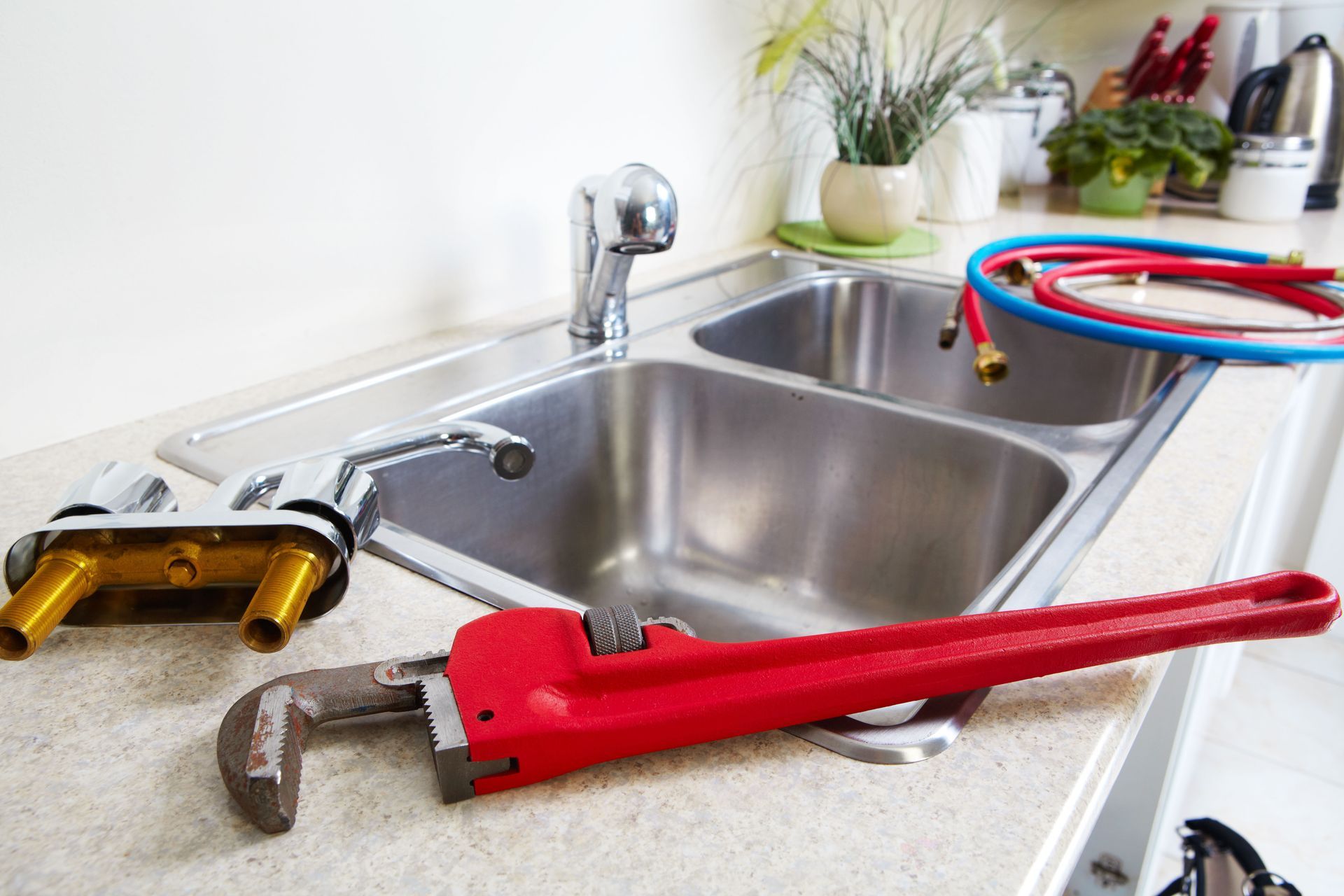
These allow for the loosening, tightening, and assembly of fixtures. Additionally, individuals often rely on pipe wrenches for tackling pipes or tubular connections that require substantial grip. Regular maintenance of these items prolongs their efficiency and readiness for unforeseen issues. Organizing everything logically ensures quick access during an unexpected household water emergency.
Operating Specialized Tools for Long-term Success
While basic tools cover most needs, certain situations necessitate the use of specialized tools. For instance, pipe cutters are essential for accurately cutting metal, plastic, or copper pipes to the desired length. The tool, characterized by its rotating blade, allows for a clean cut, which is critical for effective installations. The drain snake is invaluable for breaking up or removing blockages in pipes. Investing in these specialized tools can increase the effectiveness of household tasks. Using them properly ensures you complete your plumbing repair safely and accurately every time.
Choosing Materials for Sealing and Patching
In addition to tools, having a variety of materials for sealing and patching is critical in executing an effective plumbing repair. Pipe sealants, also known as pipe dope, are commonly used to seal threaded connections, preventing leaks and ensuring joint integrity. Similarly, plumber’s tape lubricates and seals pipe threads, complementing the sealant for double-layered protection. Waterproof tapes provide temporary fixes until permanent solutions can be applied. Plumber’s putty is another versatile material, ideal for sealing sink drains and fixtures against water leaks. Using the right materials prevents small drips from returning.
Wearing Proper Safety Gear Always
Safety gear is an indispensable component of any home project, ensuring personal safety. Protective goggles shield eyes from debris or splashes when cutting pipes or dealing with water under pressure. Safety gloves protect hands from sharp or rough surfaces, especially when handling heavy tools and materials. A sturdy pair of work boots can protect feet from dropped tools and offer stability when working on slippery surfaces. Respirators may be necessary if dealing with chemicals or moldy areas. Staying protected is mandatory before attempting any type of household plumbing repair.
Tackling leaks promptly ensures that your home remains safe and efficient. While minor issues can often be managed with basic tools, complex problems always require a professional touch. A reliable plumbing repair ensures that your system functions seamlessly, saving you money and stress in the long run. At Putnam Plumbing & Heating Inc, we are dedicated to providing top-tier support for all your household needs. Whether you require new construction plumbing or furnace repairs, let us help you maintain a comfortable and secure home environment. Reach out to our team today for reliable, long-lasting property solutions!